Precision for Small Components and Systems
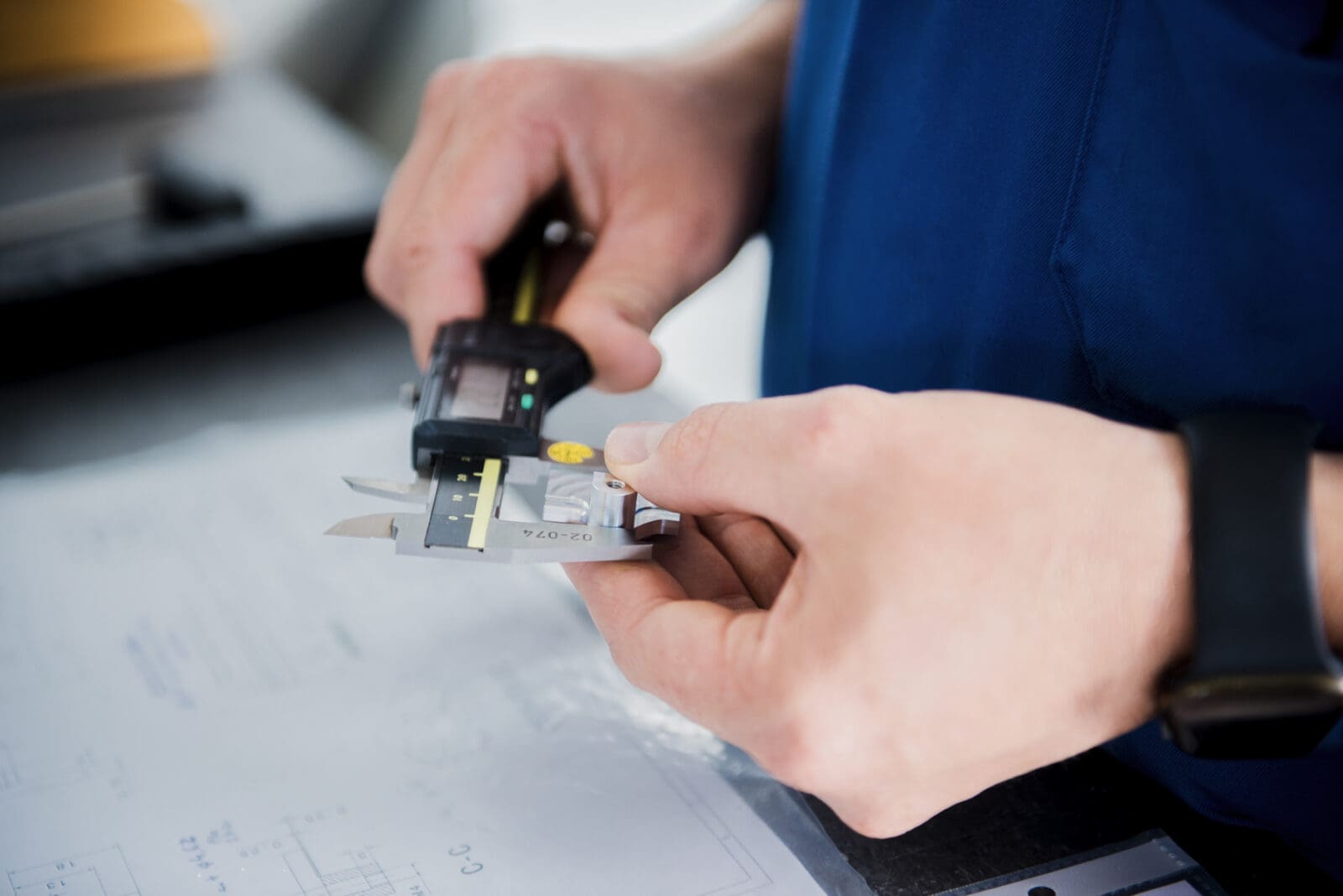
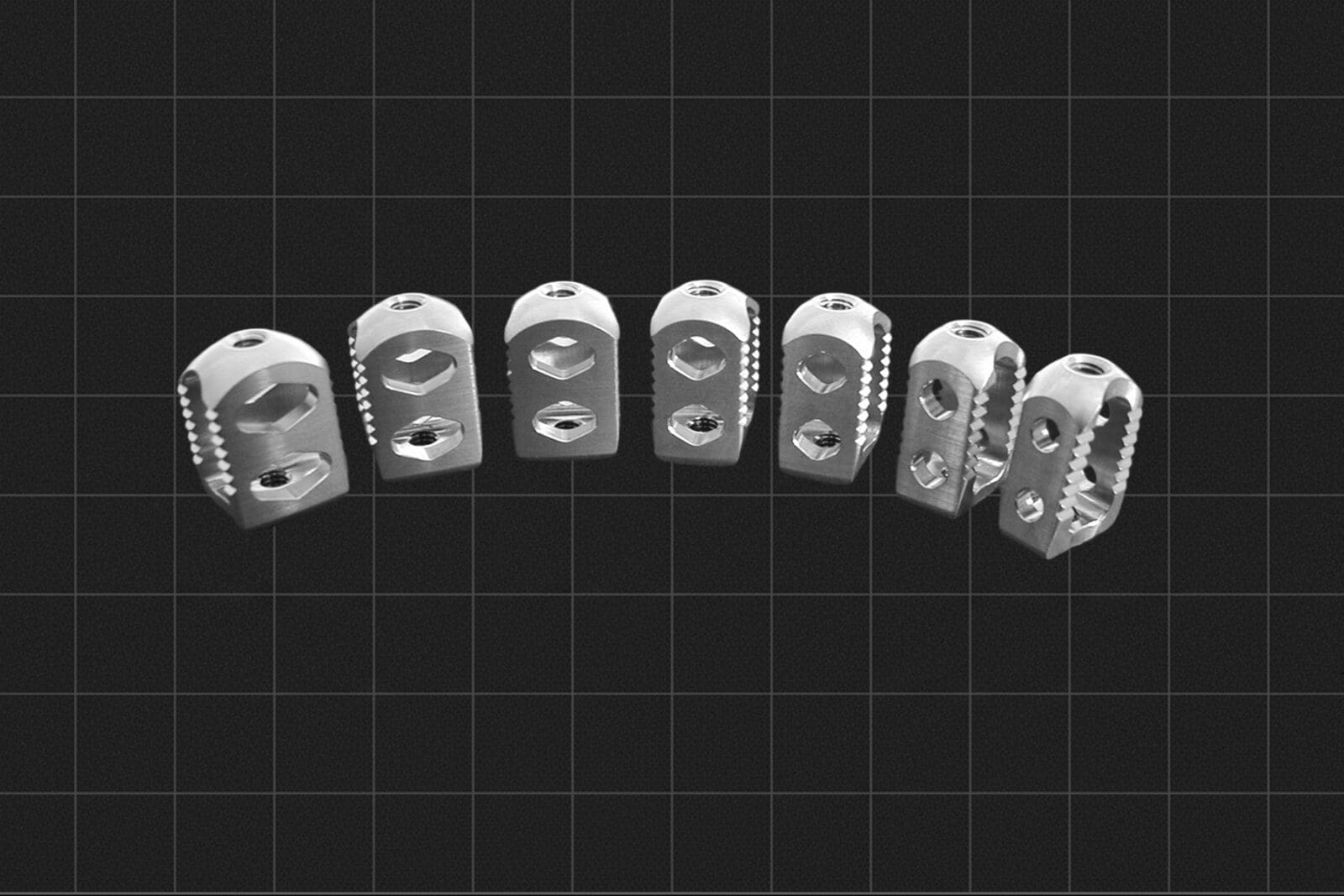
Precision engineering is a field where high complexity, high accuracy, and miniaturization converge. Individual parts or small series are typically manufactured, where every detail counts and the materials used must meet extreme requirements for hardness, corrosion resistance, or thermal stability. Many products are customer-specific and developed in project-based processes where design, manufacturing, and the customer work closely together. Quality assurance follows strict processes in accordance with ISO 9001: a 3D coordinate measuring machine, detailed measurement reports, and first article inspection reports are standard practice, as are high standards for cleaning, packaging, and shipping of high-value parts.
Components for Measurement and Optical Systems
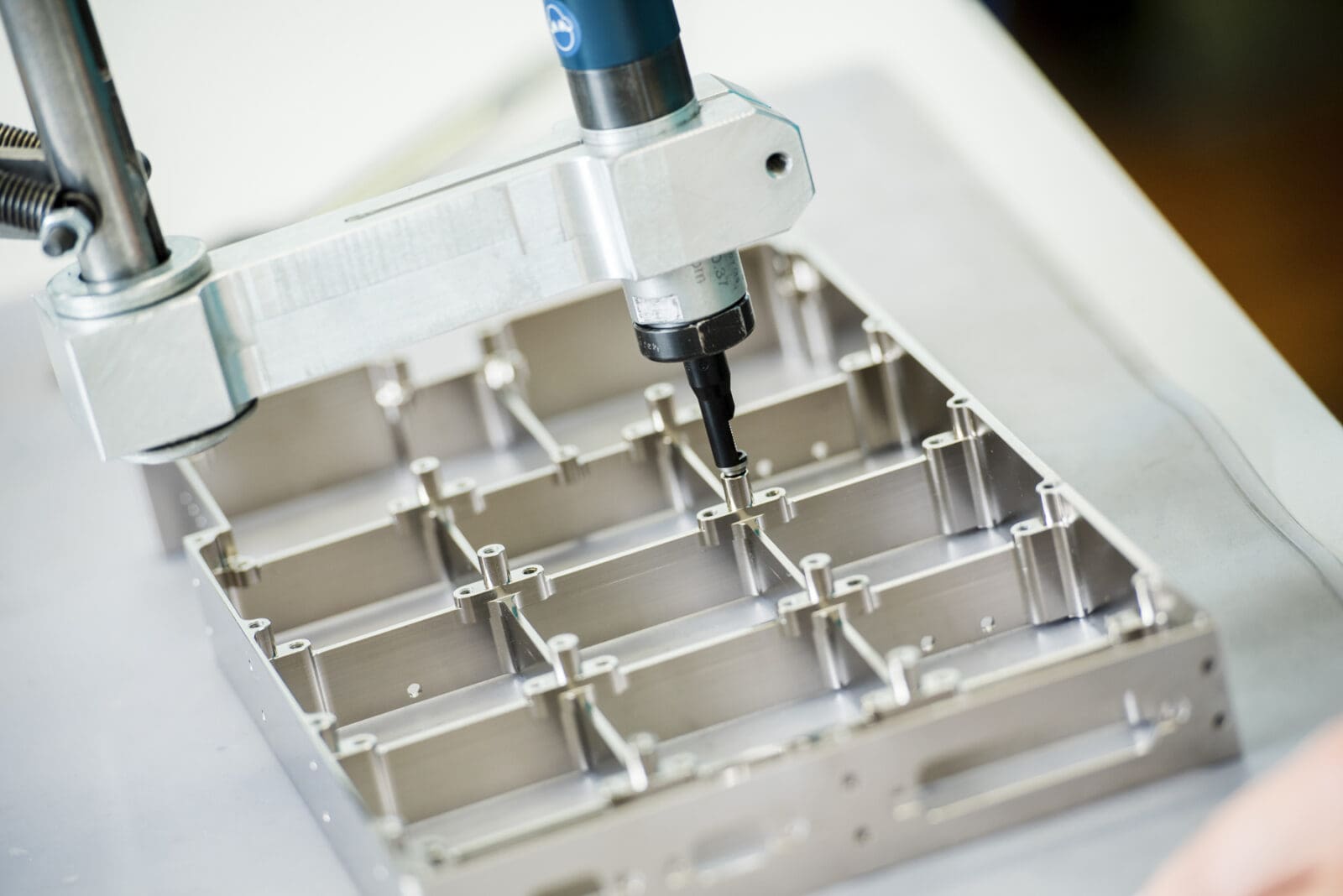
For the precision engineering sector, Freyer manufactures components for measuring instruments, optical components, and complete assemblies. Typical examples include measuring fixtures and mirrors for optical instruments – usually with extremely tight tolerances and complex geometries, often produced as one-offs, in low quantities, or small series. The range of services includes turned and milled parts, sheet metal parts, assembly, surface treatments, as well as the preparation of measurement reports and feasibility assessments. The machine park is tailored to these requirements and includes high-precision equipment specialized for very small components and demanding geometries.
Precision Engineering as a Collaborative Project
Our expertise in precision engineering is built on skilled workers with extensive know-how and collaboration with research institutes, for example on new manufacturing methods or materials. As a small family-owned company with flat hierarchies, Freyer responds quickly and flexibly, assesses manufacturing optimization opportunities for every project, and also takes economic aspects such as material savings into account. At the same time, the industry is being shaped by increasing part complexity, demands for more efficient processes, and new technologies such as digital manufacturing, simulation, 3D printing, and AI – all of which require qualified personnel and continuous training. Customers benefit from high quality standards, reliable on-time delivery, excellent audit results, fast response times, and personal service – backed by years of experience in precision engineering.